I already briefly mentioned it in this daily, but I wanted to expand a little on those times when we’d get up in the middle of the night, drive to the Apple Store, and wait for hours for it to open, all just to get our hands on the new iPhone on release day.
Even though we arrived four hours early (the store opened at 8 AM), we were never the first in line. In fact, we were sometimes late enough to worry that we might not get an iPhone at all.
I don't remember whether preorders weren't a thing back then or whether we somehow actively decided against them, but the thrill of standing in line in the middle of the night, surrounded by the buzzing excitement of people who, just like you, couldn't wait to get their hands on the next big breakthrough in technology, is a core memory of mine.

iPhone launches have changed since then. Incremental updates have made them far less exciting. Back then, with the iPhone 3G, iPhone 4, and so on, there were incredible leaps from one generation to the next. Getting a new iPhone felt like getting a whole bunch of new possibilities.
Not least because the app ecosystem was so different back then. It felt like every week, some exciting new app would launch that had the potential to change society in one way or another. Twitter, Uber, and all those other services were emerging around that time.
One year, we even brought mulled wine in thermoses to make those four hours of freezing a little more bearable. In later years, some brands jumped on the bandwagon and started handing out hot drinks and even snacks to people waiting in line. Interesting times.
Things have changed since then. I don't think there have been any particularly meaningful changes, apart from overall performance improvements, between the iPhone 14 and the iPhone 18 Pro.
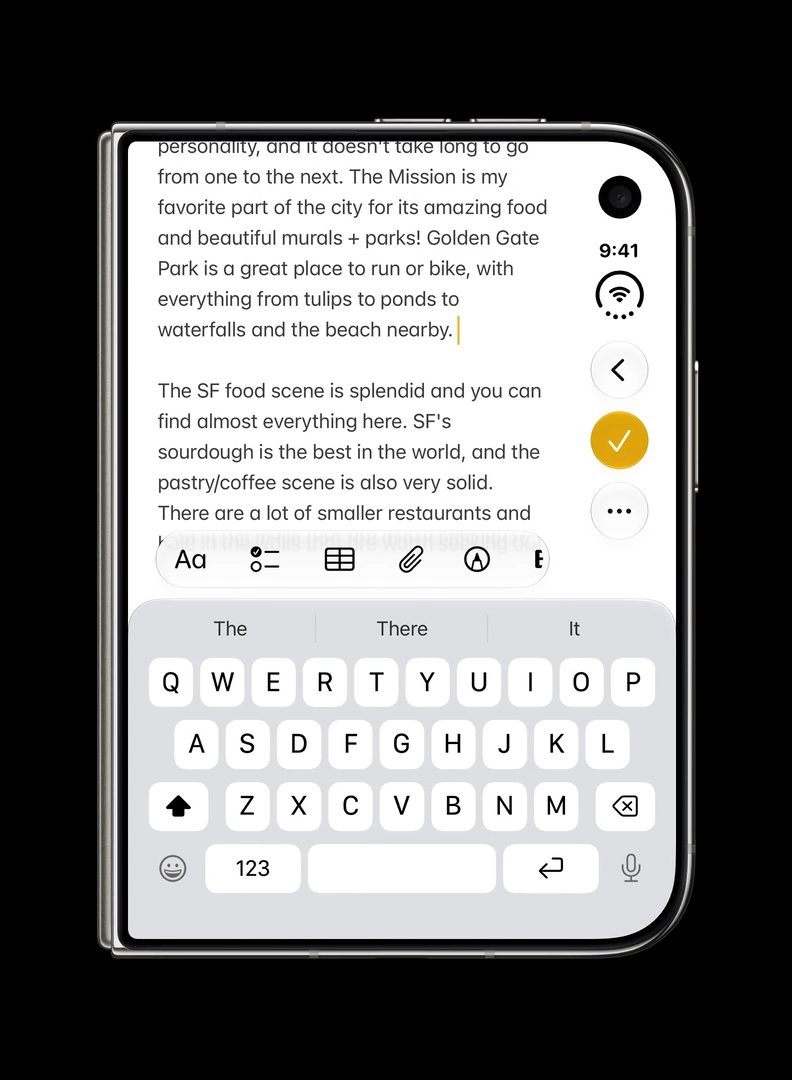
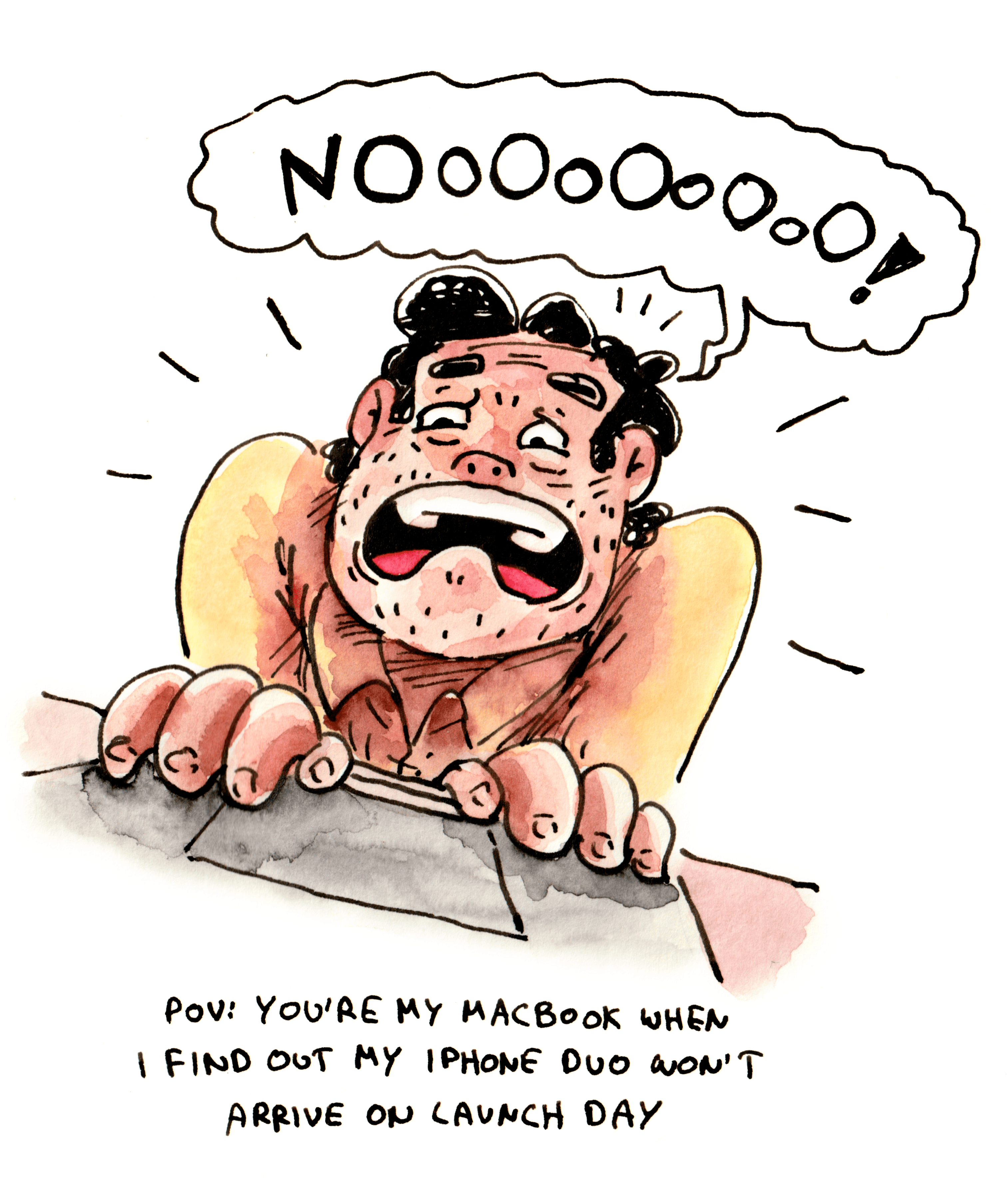
But now, with the iPhone Duo, that's changed. It's a whole new world (for iOS users, at least). It feels a little like the old magic is back. Which is exactly why I was so excited to get one on day one.
Seems like I can still consider myself lucky with a delivery window of November 10–17, though. The estimated delivery date for new orders has already slipped to February 2027.
That's not going to stop me from checking in-store pickup availability every morning starting October 23, though. I won't give up.
But I'm not going to stand outside in the cold for four hours before opening anymore, either. I've grown up a little in the past ten years, it seems.